Automation Risk
Each occupation shows a probability of automation. A higher score means machines and algorithms are more likely to take over the role in the future.
| SUMMARY |
31%
Low Risk
|
19%
Minimal Risk
|
24%
Low Risk
|
21%
Low Risk
|
21%
Low Risk
|
20%
Minimal Risk
|
| JOB SCORE | 7.0/10 | 8.1/10 | 7.0/10 | 6.3/10 | 7.2/10 | 7.0/10 |
| POLLING |
45%
(Moderate Risk,
Based on 211 votes)
|
37%
(Low Risk,
Based on 262 votes)
|
47%
(Moderate Risk,
Based on 98 votes)
|
44%
(Moderate Risk,
Based on 152 votes)
|
42%
(Moderate Risk,
Based on 130 votes)
|
49%
(Moderate Risk,
Based on 25 votes)
|
|
GROWTH
by year 2034
|
16.7%
|
8.8%
|
6.1%
|
3.1%
|
6.1%
|
16.7%
|
| WAGES |
$80,880
or $38.88 per hour
|
$101,190
or $48.65 per hour
|
$102,010
or $49.04 per hour
|
$139,510
or $67.07 per hour
|
$102,010
or $49.04 per hour
|
$80,880
or $38.88 per hour
|
|
VOLUME
as of 2024
|
235,640
|
893,900
|
213,000
|
81,240
|
213,000
|
235,640
|
| SNOWFLAKE |

|
|

|

|

|

|
| DESCRIPTION | Analyze and coordinate the ongoing logistical functions of a firm or organization. Responsible for the entire life cycle of a product, including acquisition, distribution, internal allocation, delivery, and final disposal of resources. | Conduct organizational studies and evaluations, design systems and procedures, conduct work simplification and measurement studies, and prepare operations and procedures manuals to assist management in operating more efficiently and effectively. Includes program analysts and management consultants. | Plan, direct, or coordinate transportation, storage, or distribution activities in accordance with organizational policies and applicable government laws or regulations. Includes logistics managers. | Plan, direct, or coordinate the activities of buyers, purchasing officers, and related workers involved in purchasing materials, products, and services. Includes wholesale or retail trade merchandising managers and procurement managers. | Direct or coordinate production, purchasing, warehousing, distribution, or financial forecasting services or activities to limit costs and improve accuracy, customer service, or safety. Examine existing procedures or opportunities for streamlining activities to meet product distribution needs. Direct the movement, storage, or processing of inventory. | Design or analyze operational solutions for projects such as transportation optimization, network modeling, process and methods analysis, cost containment, capacity enhancement, routing and shipment optimization, or information management. |
Curious how automation and AI could affect your career? Our comparison tool lets you view two or more jobs side by side, helping you quickly spot differences in risk level, pay, growth, and popularity. All of this is based on a mix of academic research, user polling, and official labour data.
Each occupation shows a probability of automation. A higher score means machines and algorithms are more likely to take over the role in the future.
A quick summary of how a job performs overall — factoring in wages, growth, volume, and automation risk. It’s a handy way to see the bigger picture at a glance.
Thousands of visitors cast their votes on how “automatable” each job feels. These community insights are shown alongside the calculated probabilities.
See how fast each occupation is projected to grow and what people earn on average. High wages don’t always mean high security — automation risk still matters.
Explore how many people currently work in each occupation and in which year the data was recorded. Popularity can affect how disruptive automation will be for the wider economy.
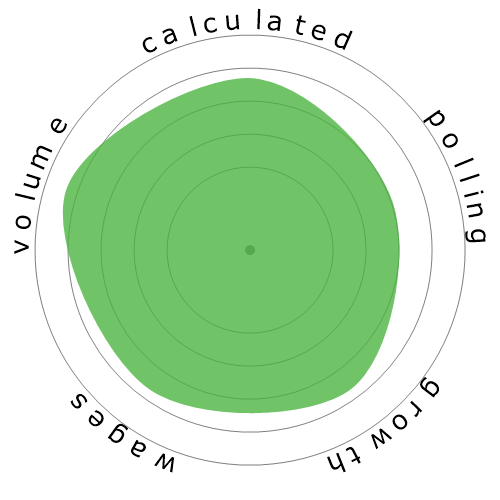
Each snowflake visualises the balance between automation risk, wages, growth, and job volume. Bigger and greener areas mean stronger performance in that dimension.
Use this comparison page to research careers, guide students, or simply explore the future of work. All data is regularly updated to keep the results relevant.