Automation Risk
Each occupation shows a probability of automation. A higher score means machines and algorithms are more likely to take over the role in the future.
| SUMMARY |
27%
Low Risk
|
15%
Minimal Risk
|
19%
Minimal Risk
|
20%
Low Risk
|
19%
Minimal Risk
|
21%
Low Risk
|
| JOB SCORE | 6.5/10 | 7.4/10 | 8.1/10 | 8.0/10 | 8.0/10 | 7.2/10 |
| POLLING |
34%
(Low Risk,
Based on 46 votes)
|
33%
(Low Risk,
Based on 237 votes)
|
37%
(Low Risk,
Based on 262 votes)
|
38%
(Low Risk,
Based on 90 votes)
|
33%
(Low Risk,
Based on 69 votes)
|
42%
(Moderate Risk,
Based on 130 votes)
|
|
GROWTH
by year 2034
|
1.9%
|
4.4%
|
8.8%
|
11.0%
|
12.5%
|
6.1%
|
| WAGES |
$121,440
or $58.38 per hour
|
$102,950
or $49.49 per hour
|
$101,190
or $48.65 per hour
|
$101,140
or $48.62 per hour
|
$83,910
or $40.34 per hour
|
$102,010
or $49.04 per hour
|
|
VOLUME
as of 2024
|
234,380
|
3,584,420
|
893,900
|
350,230
|
128,430
|
213,000
|
| SNOWFLAKE |
|
|
|
|
|
|
| DESCRIPTION | Plan, direct, or coordinate the work activities and resources necessary for manufacturing products in accordance with cost, quality, and quantity specifications. | Plan, direct, or coordinate the operations of public or private sector organizations, overseeing multiple departments or locations. Duties and responsibilities include formulating policies, managing daily operations, and planning the use of materials and human resources, but are too diverse and general in nature to be classified in any one functional area of management or administration, such as personnel, purchasing, or administrative services. Usually manage through subordinate supervisors. Excludes First-Line Supervisors. | Conduct organizational studies and evaluations, design systems and procedures, conduct work simplification and measurement studies, and prepare operations and procedures manuals to assist management in operating more efficiently and effectively. Includes program analysts and management consultants. | Design, integrate, or improve manufacturing systems or related processes. May work with commercial or industrial designers to refine product designs to increase producibility and decrease costs. | Review, evaluate, and analyze work environments and design programs and procedures to control, eliminate, and prevent disease or injury caused by chemical, physical, and biological agents or ergonomic factors. May conduct inspections and enforce adherence to laws and regulations governing the health and safety of individuals. May be employed in the public or private sector. | Direct or coordinate production, purchasing, warehousing, distribution, or financial forecasting services or activities to limit costs and improve accuracy, customer service, or safety. Examine existing procedures or opportunities for streamlining activities to meet product distribution needs. Direct the movement, storage, or processing of inventory. |
Curious how automation and AI could affect your career? Our comparison tool lets you view two or more jobs side by side, helping you quickly spot differences in risk level, pay, growth, and popularity. All of this is based on a mix of academic research, user polling, and official labour data.
Each occupation shows a probability of automation. A higher score means machines and algorithms are more likely to take over the role in the future.
A quick summary of how a job performs overall — factoring in wages, growth, volume, and automation risk. It’s a handy way to see the bigger picture at a glance.
Thousands of visitors cast their votes on how “automatable” each job feels. These community insights are shown alongside the calculated probabilities.
See how fast each occupation is projected to grow and what people earn on average. High wages don’t always mean high security — automation risk still matters.
Explore how many people currently work in each occupation and in which year the data was recorded. Popularity can affect how disruptive automation will be for the wider economy.
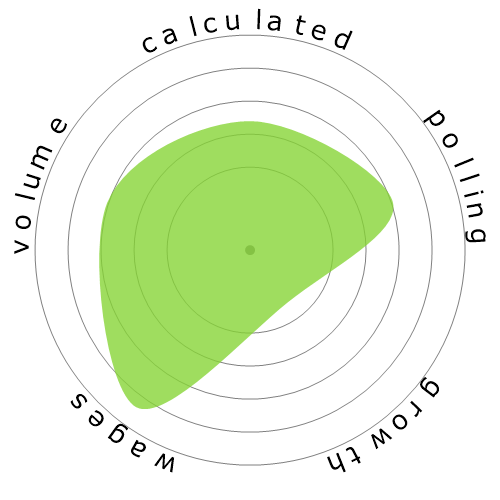
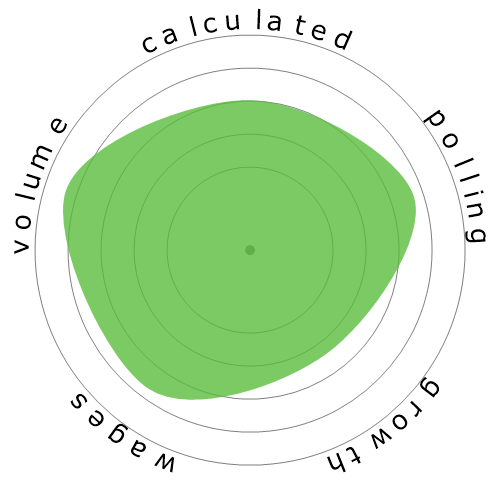
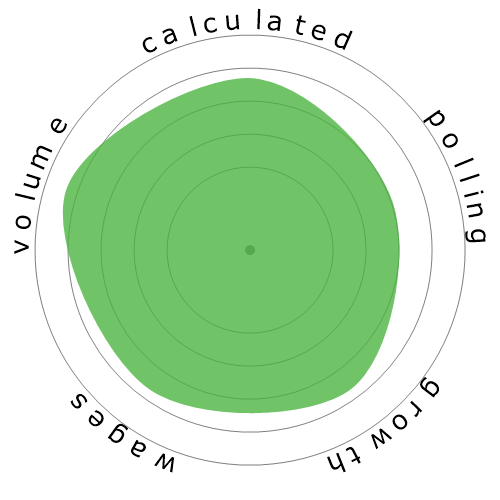
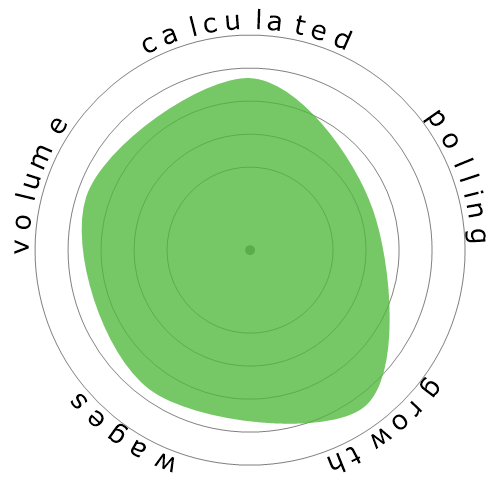
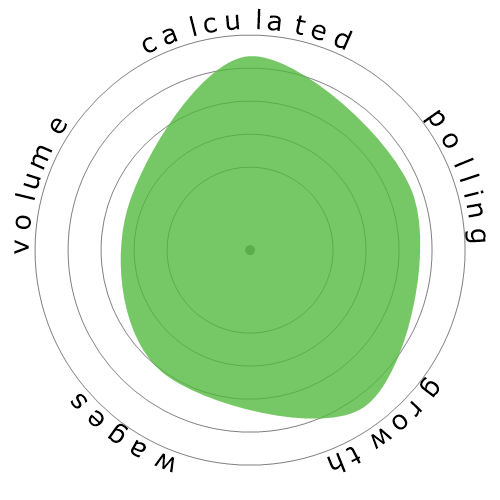
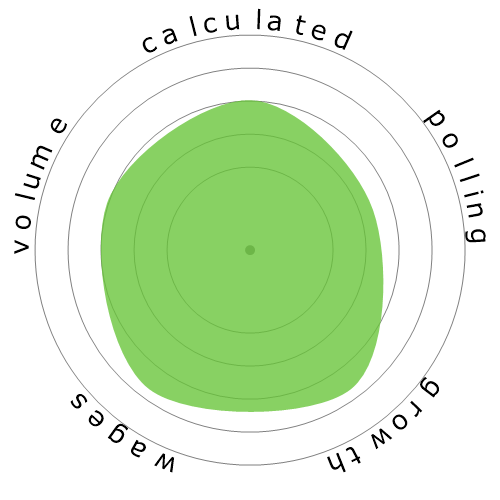
Each snowflake visualises the balance between automation risk, wages, growth, and job volume. Bigger and greener areas mean stronger performance in that dimension.
Use this comparison page to research careers, guide students, or simply explore the future of work. All data is regularly updated to keep the results relevant.