Automation Risk
Each occupation shows a probability of automation. A higher score means machines and algorithms are more likely to take over the role in the future.
| SUMMARY |
18%
Minimal Risk
|
13%
Minimal Risk
|
4%
Minimal Risk
|
13%
Minimal Risk
|
13%
Minimal Risk
|
13%
Minimal Risk
|
| JOB SCORE | 7.3/10 | 9.0/10 | 6.7/10 | 7.5/10 | 7.0/10 | 5.4/10 |
| POLLING |
34%
(Low Risk,
Based on 67 votes)
|
15.6%
(Minimal Risk,
Based on 777 votes)
|
26%
(Low Risk,
Based on 101 votes)
|
26%
(Low Risk,
Based on 107 votes)
|
30%
(Low Risk,
Based on 223 votes)
|
32%
(Low Risk,
Based on 18 votes)
|
|
GROWTH
by year 2034
|
22.0%
|
10.9%
|
3.3%
|
11.1%
|
15.4%
|
1.4%
|
| WAGES |
$65,510
or $31.49 per hour
|
$101,020
or $48.56 per hour
|
$60,280
or $28.98 per hour
|
$60,250
or $28.96 per hour
|
$57,950
or $27.86 per hour
|
$46,110
or $22.17 per hour
|
|
VOLUME
as of 2024
|
108,010
|
248,630
|
15,060
|
28,950
|
96,040
|
88,930
|
| SNOWFLAKE |

|
|
|
|

|

|
| DESCRIPTION | Assist physical therapists in providing physical therapy treatments and procedures. May, in accordance with state laws, assist in the development of treatment plans, carry out routine functions, document the progress of treatment, and modify specific treatments in accordance with patient status and within the scope of treatment plans established by a physical therapist. Generally requires formal training. | Assess, plan, organize, and participate in rehabilitative programs that improve mobility, relieve pain, increase strength, and improve or correct disabling conditions resulting from disease or injury. | Plan, direct, or coordinate medically-approved recreation programs for patients in hospitals, nursing homes, or other institutions. Activities include sports, trips, dramatics, social activities, and crafts. May assess a patient condition and recommend appropriate recreational activity. | Evaluate and treat musculoskeletal injuries or illnesses. Provide preventive, therapeutic, emergency, and rehabilitative care. | Perform therapeutic massages of soft tissues and joints. May assist in the assessment of range of motion and muscle strength, or propose client therapy plans. | Counsel individuals to maximize the independence and employability of persons coping with personal, social, and vocational difficulties that result from birth defects, illness, disease, accidents, aging, or the stress of daily life. Coordinate activities for residents of care and treatment facilities. Assess client needs and design and implement rehabilitation programs that may include personal and vocational counseling, training, and job placement. |
Curious how automation and AI could affect your career? Our comparison tool lets you view two or more jobs side by side, helping you quickly spot differences in risk level, pay, growth, and popularity. All of this is based on a mix of academic research, user polling, and official labour data.
Each occupation shows a probability of automation. A higher score means machines and algorithms are more likely to take over the role in the future.
A quick summary of how a job performs overall — factoring in wages, growth, volume, and automation risk. It’s a handy way to see the bigger picture at a glance.
Thousands of visitors cast their votes on how “automatable” each job feels. These community insights are shown alongside the calculated probabilities.
See how fast each occupation is projected to grow and what people earn on average. High wages don’t always mean high security — automation risk still matters.
Explore how many people currently work in each occupation and in which year the data was recorded. Popularity can affect how disruptive automation will be for the wider economy.
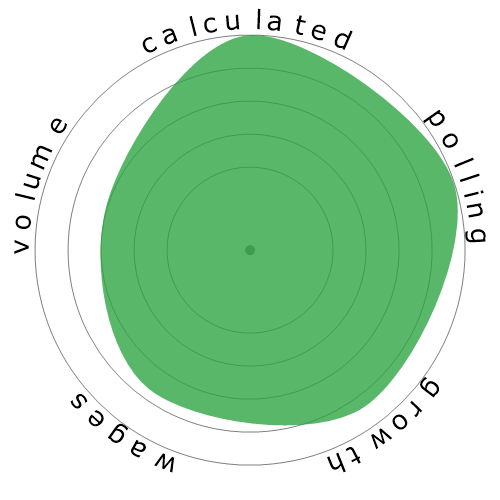
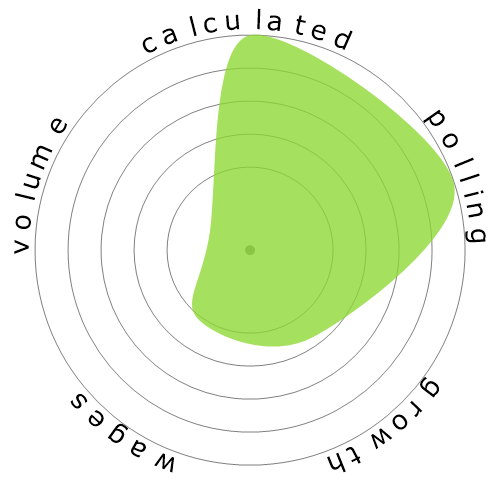
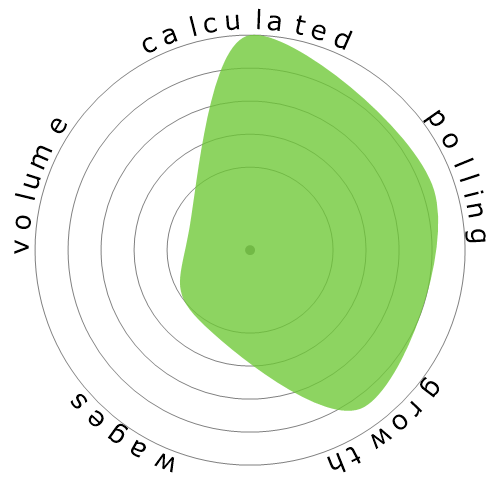
Each snowflake visualises the balance between automation risk, wages, growth, and job volume. Bigger and greener areas mean stronger performance in that dimension.
Use this comparison page to research careers, guide students, or simply explore the future of work. All data is regularly updated to keep the results relevant.