Automation Risk
Each occupation shows a probability of automation. A higher score means machines and algorithms are more likely to take over the role in the future.
| SUMMARY |
29%
Low Risk
|
11%
Minimal Risk
|
23%
Low Risk
|
21%
Low Risk
|
23%
Low Risk
|
| JOB SCORE | 5.3/10 | 8.9/10 | 6.9/10 | 6.4/10 | 6.2/10 |
| POLLING |
43%
(Moderate Risk,
Based on 19 votes)
|
24%
(Low Risk,
Based on 332 votes)
|
35%
(Low Risk,
Based on 31 votes)
|
34%
(Low Risk,
Based on 28 votes)
|
36%
(Low Risk,
Based on 123 votes)
|
|
GROWTH
by year 2034
|
2.3%
|
8.7%
|
3.8%
|
8.5%
|
3.6%
|
| WAGES |
$56,170
or $27.00 per hour
|
$106,980
or $51.43 per hour
|
$104,690
or $50.33 per hour
|
$58,440
or $28.09 per hour
|
$66,700
or $32.06 per hour
|
|
VOLUME
as of 2024
|
124,130
|
348,330
|
141,090
|
31,450
|
296,640
|
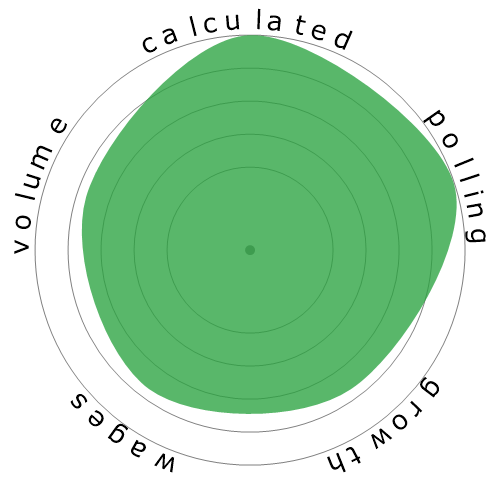
| SNOWFLAKE |

|
|

|

|

|
| DESCRIPTION | Directly supervise and coordinate activities of workers engaged in landscaping or groundskeeping activities. Work may involve reviewing contracts to ascertain service, machine, and workforce requirements; answering inquiries from potential customers regarding methods, material, and price ranges; and preparing estimates according to labor, material, and machine costs. | Plan, direct, or coordinate, usually through subordinate supervisory personnel, activities concerned with the construction and maintenance of structures, facilities, and systems. Participate in the conceptual development of a construction project and oversee its organization, scheduling, budgeting, and implementation. Includes managers in specialized construction fields, such as carpentry or plumbing. | Plan, direct, or coordinate operations and functionalities of facilities and buildings. May include surrounding grounds or multiple facilities of an organization's campus. | Collect data on work environments for analysis by occupational health and safety specialists. Implement and conduct evaluation of programs designed to limit chemical, physical, biological, and ergonomic risks to workers. | Plan, direct, or coordinate the selling, buying, leasing, or governance activities of commercial, industrial, or residential real estate properties. Includes managers of homeowner and condominium associations, rented or leased housing units, buildings, or land (including rights-of-way). |
Curious how automation and AI could affect your career? Our comparison tool lets you view two or more jobs side by side, helping you quickly spot differences in risk level, pay, growth, and popularity. All of this is based on a mix of academic research, user polling, and official labour data.
Each occupation shows a probability of automation. A higher score means machines and algorithms are more likely to take over the role in the future.
A quick summary of how a job performs overall — factoring in wages, growth, volume, and automation risk. It’s a handy way to see the bigger picture at a glance.
Thousands of visitors cast their votes on how “automatable” each job feels. These community insights are shown alongside the calculated probabilities.
See how fast each occupation is projected to grow and what people earn on average. High wages don’t always mean high security — automation risk still matters.
Explore how many people currently work in each occupation and in which year the data was recorded. Popularity can affect how disruptive automation will be for the wider economy.
Each snowflake visualises the balance between automation risk, wages, growth, and job volume. Bigger and greener areas mean stronger performance in that dimension.
Use this comparison page to research careers, guide students, or simply explore the future of work. All data is regularly updated to keep the results relevant.