Automation Risk
Each occupation shows a probability of automation. A higher score means machines and algorithms are more likely to take over the role in the future.
| SUMMARY |
77%
High Risk
|
28%
Low Risk
|
41%
Moderate Risk
|
48%
Moderate Risk
|
56%
Moderate Risk
|
55%
Moderate Risk
|
| JOB SCORE | 2.9/10 | 7.0/10 | 3.9/10 | 6.5/10 | 5.4/10 | 4.7/10 |
| POLLING |
49%
(Moderate Risk,
Based on 28 votes)
|
26%
(Low Risk,
Based on 519 votes)
|
50%
(Moderate Risk,
Based on 51 votes)
|
27%
(Low Risk,
Based on 34 votes)
|
45%
(Moderate Risk,
Based on 49 votes)
|
35%
(Low Risk,
Based on 43 votes)
|
|
GROWTH
by year 2034
|
-10.5%
|
4.5%
|
-3.0%
|
10.1%
|
3.2%
|
1.8%
|
| WAGES |
$46,480
or $22.34 per hour
|
$59,310
or $28.51 per hour
|
$51,990
or $24.99 per hour
|
$52,240
or $25.11 per hour
|
$60,800
or $29.23 per hour
|
$54,660
or $26.28 per hour
|
|
VOLUME
as of 2024
|
15,660
|
697,740
|
8,750
|
38,740
|
53,520
|
205,230
|
| SNOWFLAKE |

|
|

|

|

|

|
| DESCRIPTION | Help brickmasons, blockmasons, stonemasons, or tile and marble setters by performing duties requiring less skill. Duties include using, supplying, or holding materials or tools, and cleaning work area and equipment. | Construct, erect, install, or repair structures and fixtures made of wood and comparable materials, such as concrete forms; building frameworks, including partitions, joists, studding, and rafters; and wood stairways, window and door frames, and hardwood floors. May also install cabinets, siding, drywall, and batt or roll insulation. Includes brattice builders who build doors or brattices (ventilation walls or partitions) in underground passageways. | Build stone structures, such as piers, walls, and abutments. Lay walks, curbstones, or special types of masonry for vats, tanks, and floors. | Apply hard tile, stone, and comparable materials to walls, floors, ceilings, countertops, and roof decks. | Lay and bind building materials, such as brick, structural tile, concrete block, cinder block, glass block, and terra-cotta block, with mortar and other substances, to construct or repair walls, partitions, arches, sewers, and other structures. | Smooth and finish surfaces of poured concrete, such as floors, walks, sidewalks, roads, or curbs using a variety of hand and power tools. Align forms for sidewalks, curbs, or gutters; patch voids; and use saws to cut expansion joints. |
Curious how automation and AI could affect your career? Our comparison tool lets you view two or more jobs side by side, helping you quickly spot differences in risk level, pay, growth, and popularity. All of this is based on a mix of academic research, user polling, and official labour data.
Each occupation shows a probability of automation. A higher score means machines and algorithms are more likely to take over the role in the future.
A quick summary of how a job performs overall — factoring in wages, growth, volume, and automation risk. It’s a handy way to see the bigger picture at a glance.
Thousands of visitors cast their votes on how “automatable” each job feels. These community insights are shown alongside the calculated probabilities.
See how fast each occupation is projected to grow and what people earn on average. High wages don’t always mean high security — automation risk still matters.
Explore how many people currently work in each occupation and in which year the data was recorded. Popularity can affect how disruptive automation will be for the wider economy.
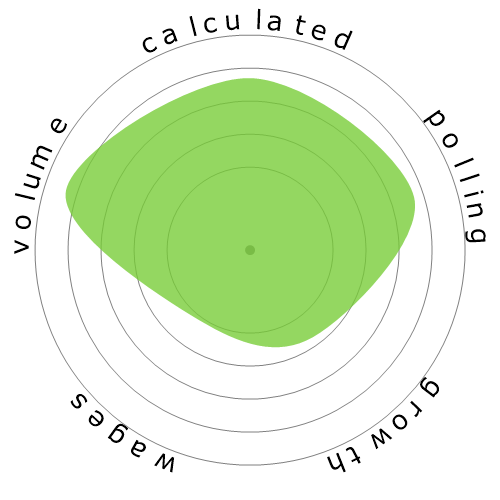
Each snowflake visualises the balance between automation risk, wages, growth, and job volume. Bigger and greener areas mean stronger performance in that dimension.
Use this comparison page to research careers, guide students, or simply explore the future of work. All data is regularly updated to keep the results relevant.