Automation Risk
Each occupation shows a probability of automation. A higher score means machines and algorithms are more likely to take over the role in the future.
| SUMMARY |
66%
High Risk
|
28%
Low Risk
|
27%
Low Risk
|
53%
Moderate Risk
|
55%
Moderate Risk
|
| JOB SCORE | 2.7/10 | 7.0/10 | 5.9/10 | 3.4/10 | 3.1/10 |
| POLLING |
There hasn't been enough votes on this occupation yet
|
32%
(Low Risk,
Based on 529 votes)
|
32%
(Low Risk,
Based on 206 votes)
|
44%
(Moderate Risk,
Based on 47 votes)
|
59%
(Moderate Risk,
Based on 107 votes)
|
|
GROWTH
by year 2034
|
-5.0%
|
4.5%
|
3.2%
|
-1.6%
|
-6.5%
|
| WAGES |
$52,520
or $25.25 per hour
|
$59,310
or $28.51 per hour
|
$79,450
or $38.19 per hour
|
$46,020
or $22.12 per hour
|
$68,510
or $32.93 per hour
|
|
VOLUME
as of 2024
|
180
|
697,740
|
30,250
|
79,540
|
39,900
|
| SNOWFLAKE |

|
|

|

|

|
| DESCRIPTION | Plan, lay out, and construct wooden unit or sectional patterns used in forming sand molds for castings. | Construct, erect, install, or repair structures and fixtures made of wood and comparable materials, such as concrete forms; building frameworks, including partitions, joists, studding, and rafters; and wood stairways, window and door frames, and hardwood floors. May also install cabinets, siding, drywall, and batt or roll insulation. Includes brattice builders who build doors or brattices (ventilation walls or partitions) in underground passageways. | Design and develop manufactured products, such as cars, home appliances, and children's toys. Combine artistic talent with research on product use, marketing, and materials to create the most functional and appealing product design. | Cut, shape, and assemble wooden articles or set up and operate a variety of woodworking machines, such as power saws, jointers, and mortisers to surface, cut, or shape lumber or to fabricate parts for wood products. | Prepare detailed working diagrams of machinery and mechanical devices, including dimensions, fastening methods, and other engineering information. |
Curious how automation and AI could affect your career? Our comparison tool lets you view two or more jobs side by side, helping you quickly spot differences in risk level, pay, growth, and popularity. All of this is based on a mix of academic research, user polling, and official labour data.
Each occupation shows a probability of automation. A higher score means machines and algorithms are more likely to take over the role in the future.
A quick summary of how a job performs overall — factoring in wages, growth, volume, and automation risk. It’s a handy way to see the bigger picture at a glance.
Thousands of visitors cast their votes on how “automatable” each job feels. These community insights are shown alongside the calculated probabilities.
See how fast each occupation is projected to grow and what people earn on average. High wages don’t always mean high security — automation risk still matters.
Explore how many people currently work in each occupation and in which year the data was recorded. Popularity can affect how disruptive automation will be for the wider economy.
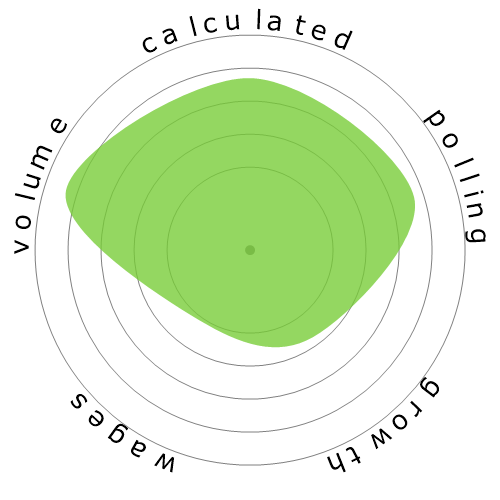
Each snowflake visualises the balance between automation risk, wages, growth, and job volume. Bigger and greener areas mean stronger performance in that dimension.
Use this comparison page to research careers, guide students, or simply explore the future of work. All data is regularly updated to keep the results relevant.