Automation Risk
Each occupation shows a probability of automation. A higher score means machines and algorithms are more likely to take over the role in the future.
| SUMMARY |
12%
Minimal Risk
|
19%
Minimal Risk
|
20%
Low Risk
|
20%
Minimal Risk
|
| JOB SCORE | 6.8/10 | 7.0/10 | 8.0/10 | 7.7/10 |
| POLLING |
32%
(Low Risk,
Based on 95 votes)
|
31%
(Low Risk,
Based on 838 votes)
|
38%
(Low Risk,
Based on 90 votes)
|
23%
(Low Risk,
Based on 153 votes)
|
|
GROWTH
by year 2034
|
4.9%
|
2.6%
|
11.0%
|
5.7%
|
| WAGES |
$104,160
or $50.07 per hour
|
$121,860
or $58.58 per hour
|
$101,140
or $48.62 per hour
|
$108,310
or $52.07 per hour
|
|
VOLUME
as of 2024
|
8,330
|
20,330
|
350,230
|
22,770
|
| SNOWFLAKE |

|

|
|

|
| DESCRIPTION | Research and study the structures and chemical properties of various natural and synthetic or composite materials, including metals, alloys, rubber, ceramics, semiconductors, polymers, and glass. Determine ways to strengthen or combine materials or develop new materials with new or specific properties for use in a variety of products and applications. Includes glass scientists, ceramic scientists, metallurgical scientists, and polymer scientists. | Design chemical plant equipment and devise processes for manufacturing chemicals and products, such as gasoline, synthetic rubber, plastics, detergents, cement, paper, and pulp, by applying principles and technology of chemistry, physics, and engineering. | Design, integrate, or improve manufacturing systems or related processes. May work with commercial or industrial designers to refine product designs to increase producibility and decrease costs. | Evaluate materials and develop machinery and processes to manufacture materials for use in products that must meet specialized design and performance specifications. Develop new uses for known materials. Includes those engineers working with composite materials or specializing in one type of material, such as graphite, metal and metal alloys, ceramics and glass, plastics and polymers, and naturally occurring materials. Includes metallurgists and metallurgical engineers, ceramic engineers, and welding engineers. |
Curious how automation and AI could affect your career? Our comparison tool lets you view two or more jobs side by side, helping you quickly spot differences in risk level, pay, growth, and popularity. All of this is based on a mix of academic research, user polling, and official labour data.
Each occupation shows a probability of automation. A higher score means machines and algorithms are more likely to take over the role in the future.
A quick summary of how a job performs overall — factoring in wages, growth, volume, and automation risk. It’s a handy way to see the bigger picture at a glance.
Thousands of visitors cast their votes on how “automatable” each job feels. These community insights are shown alongside the calculated probabilities.
See how fast each occupation is projected to grow and what people earn on average. High wages don’t always mean high security — automation risk still matters.
Explore how many people currently work in each occupation and in which year the data was recorded. Popularity can affect how disruptive automation will be for the wider economy.
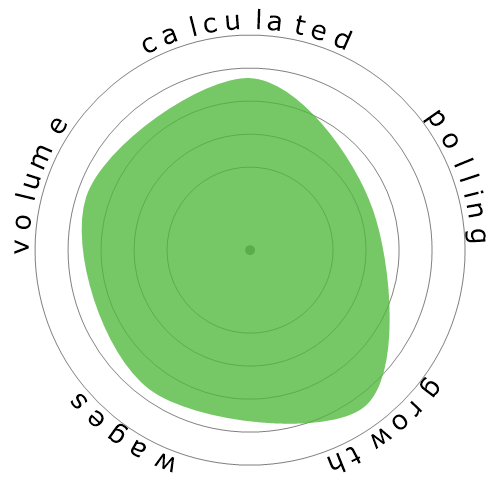
Each snowflake visualises the balance between automation risk, wages, growth, and job volume. Bigger and greener areas mean stronger performance in that dimension.
Use this comparison page to research careers, guide students, or simply explore the future of work. All data is regularly updated to keep the results relevant.