Automation Risk
Each occupation shows a probability of automation. A higher score means machines and algorithms are more likely to take over the role in the future.
| SUMMARY |
39%
Low Risk
|
24%
Low Risk
|
26%
Low Risk
|
42%
Moderate Risk
|
40%
Low Risk
|
| JOB SCORE | 6.6/10 | 5.8/10 | 5.8/10 | 4.8/10 | 6.0/10 |
| POLLING |
39%
(Low Risk,
Based on 281 votes)
|
37%
(Low Risk,
Based on 111 votes)
|
34%
(Low Risk,
Based on 56 votes)
|
There hasn't been enough votes on this occupation yet
|
44%
(Moderate Risk,
Based on 55 votes)
|
|
GROWTH
by year 2034
|
13.0%
|
1.9%
|
3.0%
|
19.8%
|
7.1%
|
| WAGES |
$89,340
or $42.95 per hour
|
$101,990
or $49.03 per hour
|
$97,020
or $46.64 per hour
|
$44,080
or $21.19 per hour
|
$88,180
or $42.39 per hour
|
|
VOLUME
as of 2024
|
86,460
|
18,700
|
16,960
|
76,520
|
41,530
|
| SNOWFLAKE |

|

|

|

|
|
| DESCRIPTION | Produce ultrasonic recordings of internal organs for use by physicians. Includes vascular technologists. | Provide radiation therapy to patients as prescribed by a radiation oncologist according to established practices and standards. Duties may include reviewing prescription and diagnosis; acting as liaison with physician and supportive care personnel; preparing equipment, such as immobilization, treatment, and protection devices; and maintaining records, reports, and files. May assist in dosimetry procedures and tumor localization. | Prepare, administer, and measure radioactive isotopes in therapeutic, diagnostic, and tracer studies using a variety of radioisotope equipment. Prepare stock solutions of radioactive materials and calculate doses to be administered by radiologists. Subject patients to radiation. Execute blood volume, red cell survival, and fat absorption studies following standard laboratory techniques. | Assist ophthalmologists by performing ophthalmic clinical functions. May administer eye exams, administer eye medications, and instruct the patient in care and use of corrective lenses. | Operate Magnetic Resonance Imaging (MRI) scanners. Monitor patient safety and comfort, and view images of area being scanned to ensure quality of pictures. May administer gadolinium contrast dosage intravenously. May interview patient, explain MRI procedures, and position patient on examining table. May enter into the computer data such as patient history, anatomical area to be scanned, orientation specified, and position of entry. |
Curious how automation and AI could affect your career? Our comparison tool lets you view two or more jobs side by side, helping you quickly spot differences in risk level, pay, growth, and popularity. All of this is based on a mix of academic research, user polling, and official labour data.
Each occupation shows a probability of automation. A higher score means machines and algorithms are more likely to take over the role in the future.
A quick summary of how a job performs overall — factoring in wages, growth, volume, and automation risk. It’s a handy way to see the bigger picture at a glance.
Thousands of visitors cast their votes on how “automatable” each job feels. These community insights are shown alongside the calculated probabilities.
See how fast each occupation is projected to grow and what people earn on average. High wages don’t always mean high security — automation risk still matters.
Explore how many people currently work in each occupation and in which year the data was recorded. Popularity can affect how disruptive automation will be for the wider economy.
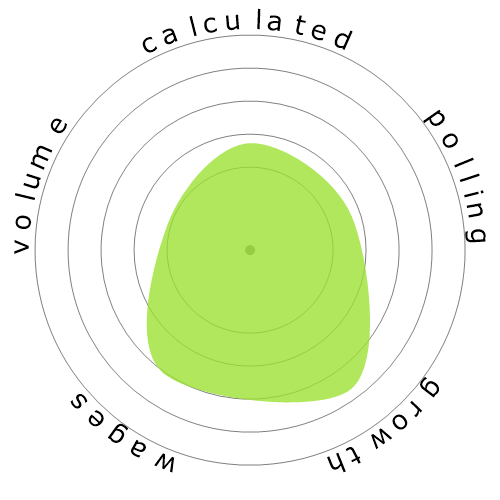
Each snowflake visualises the balance between automation risk, wages, growth, and job volume. Bigger and greener areas mean stronger performance in that dimension.
Use this comparison page to research careers, guide students, or simply explore the future of work. All data is regularly updated to keep the results relevant.