Automation Risk
Each occupation shows a probability of automation. A higher score means machines and algorithms are more likely to take over the role in the future.
| SUMMARY |
13%
Minimal Risk
|
19%
Minimal Risk
|
21%
Low Risk
|
22%
Low Risk
|
19%
Minimal Risk
|
| JOB SCORE | 5.8/10 | 5.7/10 | 6.4/10 | 6.2/10 | 5.4/10 |
| POLLING |
33%
(Low Risk,
Based on 42 votes)
|
56%
(Moderate Risk,
Based on 46 votes)
|
43%
(Moderate Risk,
Based on 909 votes)
|
44%
(Moderate Risk,
Based on 533 votes)
|
46%
(Moderate Risk,
Based on 662 votes)
|
|
GROWTH
by year 2034
|
2.3%
|
5.3%
|
21.8%
|
8.5%
|
-0.7%
|
| WAGES |
$79,350
or $38.15 per hour
|
$96,690
or $46.48 per hour
|
$125,770
or $60.46 per hour
|
$103,300
or $49.66 per hour
|
$121,680
or $58.50 per hour
|
|
VOLUME
as of 2024
|
48,820
|
36,240
|
28,340
|
29,800
|
2,220
|
| SNOWFLAKE |

|
|
|
|

|
| DESCRIPTION | Teach courses pertaining to mathematical concepts, statistics, and actuarial science and to the application of original and standardized mathematical techniques in solving specific problems and situations. Includes both teachers primarily engaged in teaching and those who do a combination of teaching and research. | Teach courses in computer science. May specialize in a field of computer science, such as the design and function of computers or operations and research analysis. Includes both teachers primarily engaged in teaching and those who do a combination of teaching and research. | Analyze statistical data, such as mortality, accident, sickness, disability, and retirement rates and construct probability tables to forecast risk and liability for payment of future benefits. May ascertain insurance rates required and cash reserves necessary to ensure payment of future benefits. | Develop or apply mathematical or statistical theory and methods to collect, organize, interpret, and summarize numerical data to provide usable information. May specialize in fields such as biostatistics, agricultural statistics, business statistics, or economic statistics. Includes mathematical and survey statisticians. | Conduct research in fundamental mathematics or in application of mathematical techniques to science, management, and other fields. Solve problems in various fields using mathematical methods. |
Curious how automation and AI could affect your career? Our comparison tool lets you view two or more jobs side by side, helping you quickly spot differences in risk level, pay, growth, and popularity. All of this is based on a mix of academic research, user polling, and official labour data.
Each occupation shows a probability of automation. A higher score means machines and algorithms are more likely to take over the role in the future.
A quick summary of how a job performs overall — factoring in wages, growth, volume, and automation risk. It’s a handy way to see the bigger picture at a glance.
Thousands of visitors cast their votes on how “automatable” each job feels. These community insights are shown alongside the calculated probabilities.
See how fast each occupation is projected to grow and what people earn on average. High wages don’t always mean high security — automation risk still matters.
Explore how many people currently work in each occupation and in which year the data was recorded. Popularity can affect how disruptive automation will be for the wider economy.
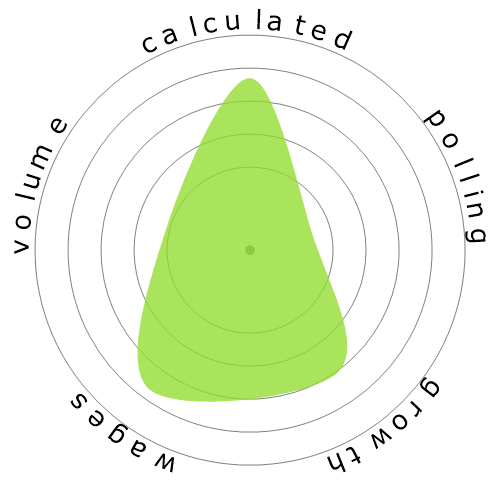
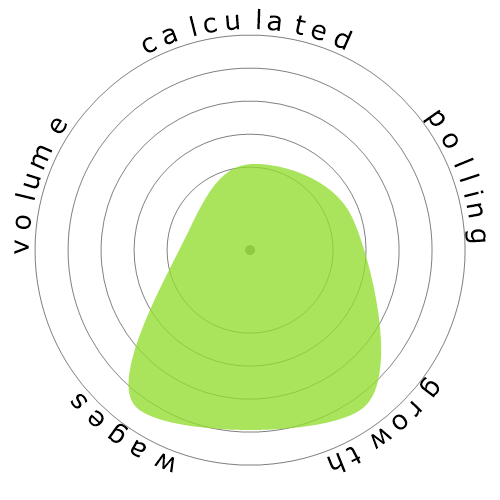
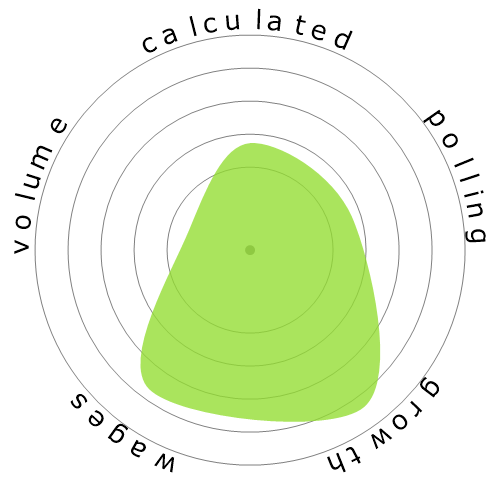
Each snowflake visualises the balance between automation risk, wages, growth, and job volume. Bigger and greener areas mean stronger performance in that dimension.
Use this comparison page to research careers, guide students, or simply explore the future of work. All data is regularly updated to keep the results relevant.