Automation Risk
Each occupation shows a probability of automation. A higher score means machines and algorithms are more likely to take over the role in the future.
| SUMMARY |
32%
Low Risk
|
22%
Low Risk
|
21%
Low Risk
|
20%
Low Risk
|
| JOB SCORE | 5.6/10 | 5.6/10 | 7.3/10 | 7.4/10 |
| POLLING |
58%
(Moderate Risk,
Based on 117 votes)
|
38%
(Low Risk,
Based on 81 votes)
|
52%
(Moderate Risk,
Based on 1,664 votes)
|
27%
(Low Risk,
Based on 213 votes)
|
|
GROWTH
by year 2034
|
6.7%
|
-2.2%
|
6.6%
|
4.8%
|
| WAGES |
$76,950
or $36.99 per hour
|
$126,960
or $61.03 per hour
|
$161,030
or $77.41 per hour
|
$69,780
or $33.55 per hour
|
|
VOLUME
as of 2024
|
861,140
|
21,100
|
384,980
|
280,590
|
| SNOWFLAKE |

|

|
|
|
| DESCRIPTION | Employ search marketing tactics to increase visibility and engagement with content, products, or services in Internet-enabled devices or interfaces. Examine search query behaviors on general or specialty search engines or other Internet-based content. Analyze research, data, or technology to understand user intent and measure outcomes for ongoing optimization. | Plan, direct, or coordinate advertising policies and programs or produce collateral materials, such as posters, contests, coupons, or giveaways, to create extra interest in the purchase of a product or service for a department, an entire organization, or on an account basis. | Plan, direct, or coordinate marketing policies and programs, such as determining the demand for products and services offered by a firm and its competitors, and identify potential customers. Develop pricing strategies with the goal of maximizing the firm's profits or share of the market while ensuring the firm's customers are satisfied. Oversee product development or monitor trends that indicate the need for new products and services. | Promote or create an intended public image for individuals, groups, or organizations. May write or select material for release to various communications media. May specialize in using social media. |
Curious how automation and AI could affect your career? Our comparison tool lets you view two or more jobs side by side, helping you quickly spot differences in risk level, pay, growth, and popularity. All of this is based on a mix of academic research, user polling, and official labour data.
Each occupation shows a probability of automation. A higher score means machines and algorithms are more likely to take over the role in the future.
A quick summary of how a job performs overall — factoring in wages, growth, volume, and automation risk. It’s a handy way to see the bigger picture at a glance.
Thousands of visitors cast their votes on how “automatable” each job feels. These community insights are shown alongside the calculated probabilities.
See how fast each occupation is projected to grow and what people earn on average. High wages don’t always mean high security — automation risk still matters.
Explore how many people currently work in each occupation and in which year the data was recorded. Popularity can affect how disruptive automation will be for the wider economy.
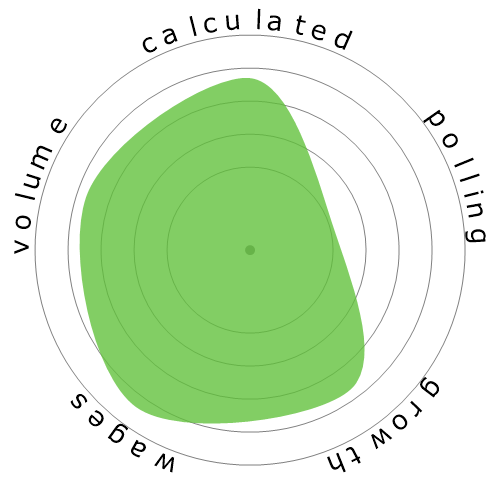
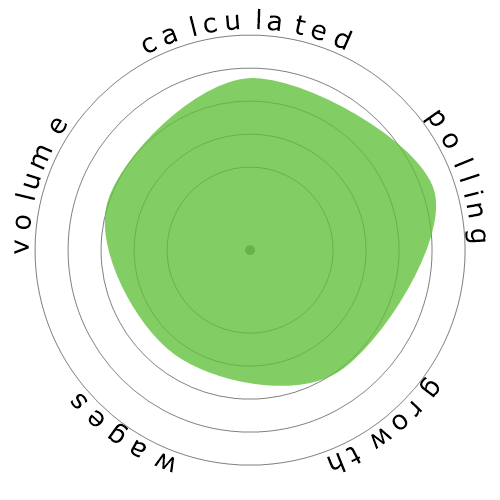
Each snowflake visualises the balance between automation risk, wages, growth, and job volume. Bigger and greener areas mean stronger performance in that dimension.
Use this comparison page to research careers, guide students, or simply explore the future of work. All data is regularly updated to keep the results relevant.