Automation Risk
Each occupation shows a probability of automation. A higher score means machines and algorithms are more likely to take over the role in the future.
| SUMMARY |
44%
Moderate Risk
|
15%
Minimal Risk
|
19%
Minimal Risk
|
34%
Low Risk
|
36%
Low Risk
|
31%
Low Risk
|
| JOB SCORE | 4.4/10 | 7.5/10 | 6.9/10 | 4.8/10 | 3.4/10 | 5.4/10 |
| POLLING |
46%
(Moderate Risk,
Based on 20 votes)
|
41%
(Moderate Risk,
Based on 1,345 votes)
|
43%
(Moderate Risk,
Based on 27 votes)
|
38%
(Low Risk,
Based on 147 votes)
|
56%
(Moderate Risk,
Based on 95 votes)
|
26%
(Low Risk,
Based on 51 votes)
|
|
GROWTH
by year 2034
|
-3.2%
|
7.2%
|
2.1%
|
0.6%
|
-15.3%
|
-0.8%
|
| WAGES |
$107,240
or $51.55 per hour
|
$111,910
or $53.80 per hour
|
$117,750
or $56.61 per hour
|
$77,180
or $37.10 per hour
|
$122,610
or $58.94 per hour
|
$71,300
or $34.28 per hour
|
|
VOLUME
as of 2024
|
9,180
|
188,790
|
150,750
|
92,710
|
5,720
|
59,990
|
| SNOWFLAKE |
|

|

|

|

|

|
| DESCRIPTION | Coordinate, regulate, or distribute electricity or steam. | Research, design, develop, test, or supervise the manufacturing and installation of electrical equipment, components, or systems for commercial, industrial, military, or scientific use. | Design, develop, or evaluate energy-related projects or programs to reduce energy costs or improve energy efficiency during the designing, building, or remodeling stages of construction. May specialize in electrical systems; heating, ventilation, and air-conditioning (HVAC) systems; green buildings; lighting; air quality; or energy procurement. | Apply electrical and electronic theory and related knowledge, usually under the direction of engineering staff, to design, build, repair, adjust, and modify electrical components, circuitry, controls, and machinery for subsequent evaluation and use by engineering staff in making engineering design decisions. | Operate or control nuclear reactors. Move control rods, start and stop equipment, monitor and adjust controls, and record data in logs. Implement emergency procedures when needed. May respond to abnormalities, determine cause, and recommend corrective action. | Repair, test, adjust, or install electronic equipment, such as industrial controls, transmitters, and antennas. |
Curious how automation and AI could affect your career? Our comparison tool lets you view two or more jobs side by side, helping you quickly spot differences in risk level, pay, growth, and popularity. All of this is based on a mix of academic research, user polling, and official labour data.
Each occupation shows a probability of automation. A higher score means machines and algorithms are more likely to take over the role in the future.
A quick summary of how a job performs overall — factoring in wages, growth, volume, and automation risk. It’s a handy way to see the bigger picture at a glance.
Thousands of visitors cast their votes on how “automatable” each job feels. These community insights are shown alongside the calculated probabilities.
See how fast each occupation is projected to grow and what people earn on average. High wages don’t always mean high security — automation risk still matters.
Explore how many people currently work in each occupation and in which year the data was recorded. Popularity can affect how disruptive automation will be for the wider economy.
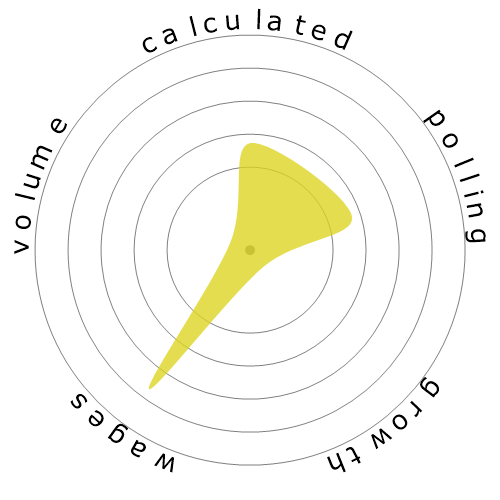
Each snowflake visualises the balance between automation risk, wages, growth, and job volume. Bigger and greener areas mean stronger performance in that dimension.
Use this comparison page to research careers, guide students, or simply explore the future of work. All data is regularly updated to keep the results relevant.