Automation Risk
Each occupation shows a probability of automation. A higher score means machines and algorithms are more likely to take over the role in the future.
| SUMMARY |
13%
Minimal Risk
|
5%
Minimal Risk
|
7%
Minimal Risk
|
10%
Minimal Risk
|
10%
Minimal Risk
|
| JOB SCORE | 5.4/10 | 8.2/10 | 7.1/10 | 8.0/10 | 8.1/10 |
| POLLING |
32%
(Low Risk,
Based on 18 votes)
|
20%
(Low Risk,
Based on 56 votes)
|
19.3%
(Minimal Risk,
Based on 168 votes)
|
28%
(Low Risk,
Based on 321 votes)
|
24%
(Low Risk,
Based on 137 votes)
|
|
GROWTH
by year 2034
|
1.4%
|
16.8%
|
3.4%
|
16.8%
|
7.7%
|
| WAGES |
$46,110
or $22.17 per hour
|
$59,190
or $28.45 per hour
|
$58,570
or $28.16 per hour
|
$59,190
or $28.45 per hour
|
$68,090
or $32.73 per hour
|
|
VOLUME
as of 2024
|
88,930
|
440,380
|
382,960
|
440,380
|
185,940
|
| SNOWFLAKE |

|
|
|
|
|
| DESCRIPTION | Counsel individuals to maximize the independence and employability of persons coping with personal, social, and vocational difficulties that result from birth defects, illness, disease, accidents, aging, or the stress of daily life. Coordinate activities for residents of care and treatment facilities. Assess client needs and design and implement rehabilitation programs that may include personal and vocational counseling, training, and job placement. | Counsel and advise individuals with alcohol, tobacco, drug, or other problems, such as gambling and eating disorders. May counsel individuals, families, or groups or engage in prevention programs. | Provide social services and assistance to improve the social and psychological functioning of children and their families and to maximize the family well-being and the academic functioning of children. May assist parents, arrange adoptions, and find foster homes for abandoned or abused children. In schools, they address such problems as teenage pregnancy, misbehavior, and truancy. May also advise teachers. | Counsel and advise individuals and groups to promote optimum mental and emotional health, with an emphasis on prevention. May help individuals deal with a broad range of mental health issues, such as those associated with addictions and substance abuse; family, parenting, and marital problems; stress management; self-esteem; or aging. | Provide individuals, families, and groups with the psychosocial support needed to cope with chronic, acute, or terminal illnesses. Services include advising family caregivers. Provide patients with information and counseling, and make referrals for other services. May also provide case and care management or interventions designed to promote health, prevent disease, and address barriers to access to healthcare. |
Curious how automation and AI could affect your career? Our comparison tool lets you view two or more jobs side by side, helping you quickly spot differences in risk level, pay, growth, and popularity. All of this is based on a mix of academic research, user polling, and official labour data.
Each occupation shows a probability of automation. A higher score means machines and algorithms are more likely to take over the role in the future.
A quick summary of how a job performs overall — factoring in wages, growth, volume, and automation risk. It’s a handy way to see the bigger picture at a glance.
Thousands of visitors cast their votes on how “automatable” each job feels. These community insights are shown alongside the calculated probabilities.
See how fast each occupation is projected to grow and what people earn on average. High wages don’t always mean high security — automation risk still matters.
Explore how many people currently work in each occupation and in which year the data was recorded. Popularity can affect how disruptive automation will be for the wider economy.
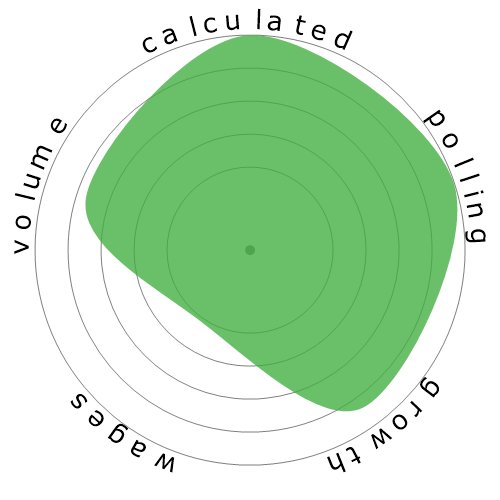
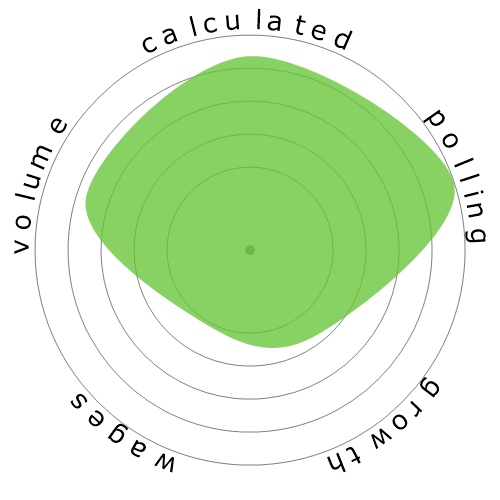
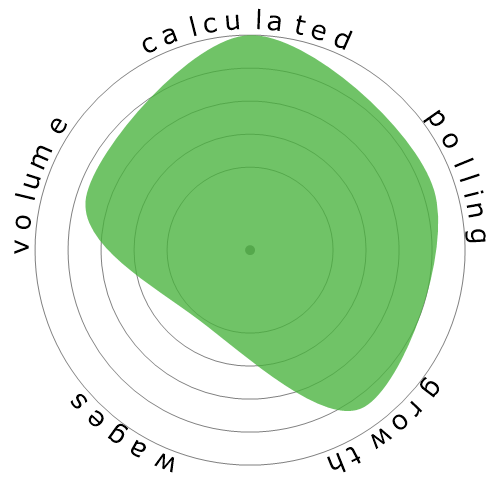
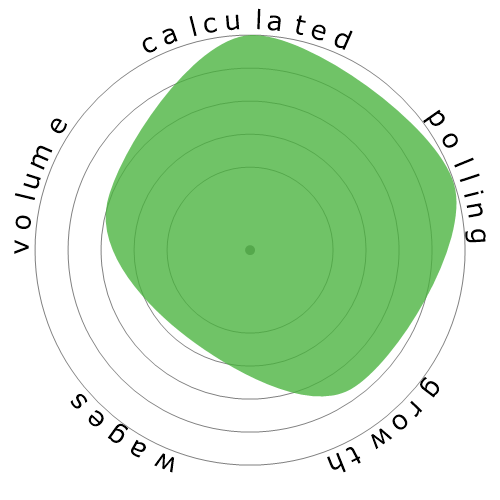
Each snowflake visualises the balance between automation risk, wages, growth, and job volume. Bigger and greener areas mean stronger performance in that dimension.
Use this comparison page to research careers, guide students, or simply explore the future of work. All data is regularly updated to keep the results relevant.