Automation Risk
Each occupation shows a probability of automation. A higher score means machines and algorithms are more likely to take over the role in the future.
| SUMMARY |
22%
Low Risk
|
15%
Minimal Risk
|
27%
Low Risk
|
22%
Low Risk
|
29%
Low Risk
|
| JOB SCORE | 6.9/10 | 7.3/10 | 7.9/10 | 6.9/10 | 6.3/10 |
| POLLING |
41%
(Moderate Risk,
Based on 858 votes)
|
25%
(Low Risk,
Based on 497 votes)
|
There hasn't been enough votes on this occupation yet
|
32%
(Low Risk,
Based on 215 votes)
|
53%
(Moderate Risk,
Based on 394 votes)
|
|
GROWTH
by year 2034
|
7.0%
|
4.9%
|
15.8%
|
4.2%
|
6.7%
|
| WAGES |
$98,090
or $47.15 per hour
|
$83,480
or $40.13 per hour
|
$133,080
or $63.98 per hour
|
$111,040
or $53.38 per hour
|
$76,950
or $36.99 per hour
|
|
VOLUME
as of 2024
|
111,400
|
145,270
|
1,654,440
|
50,370
|
861,140
|
| SNOWFLAKE |

|
|

|

|

|
| DESCRIPTION | Design core features of video games. Specify innovative game and role-play mechanics, story lines, and character biographies. Create and maintain design documentation. Guide and collaborate with production staff to produce games as designed. | Produce or direct stage, television, radio, video, or film productions for entertainment, information, or instruction. Responsible for creative decisions, such as interpretation of script, choice of actors or guests, set design, sound, special effects, and choreography. | Research, design, and develop computer and network software or specialized utility programs. Analyze user needs and develop software solutions, applying principles and techniques of computer science, engineering, and mathematical analysis. Update software or enhance existing software capabilities. May work with computer hardware engineers to integrate hardware and software systems, and develop specifications and performance requirements. May maintain databases within an application area, working individually or coordinating database development as part of a team. | Formulate design concepts and presentation approaches for visual productions and media, such as print, broadcasting, video, and film. Direct workers engaged in artwork or layout design. | Research conditions in local, regional, national, or online markets. Gather information to determine potential sales of a product or service, or plan a marketing or advertising campaign. May gather information on competitors, prices, sales, and methods of marketing and distribution. May employ search marketing tactics, analyze web metrics, and develop recommendations to increase search engine ranking and visibility to target markets. |
Curious how automation and AI could affect your career? Our comparison tool lets you view two or more jobs side by side, helping you quickly spot differences in risk level, pay, growth, and popularity. All of this is based on a mix of academic research, user polling, and official labour data.
Each occupation shows a probability of automation. A higher score means machines and algorithms are more likely to take over the role in the future.
A quick summary of how a job performs overall — factoring in wages, growth, volume, and automation risk. It’s a handy way to see the bigger picture at a glance.
Thousands of visitors cast their votes on how “automatable” each job feels. These community insights are shown alongside the calculated probabilities.
See how fast each occupation is projected to grow and what people earn on average. High wages don’t always mean high security — automation risk still matters.
Explore how many people currently work in each occupation and in which year the data was recorded. Popularity can affect how disruptive automation will be for the wider economy.
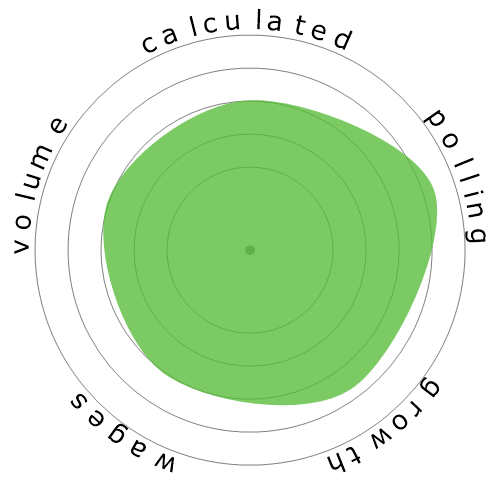
Each snowflake visualises the balance between automation risk, wages, growth, and job volume. Bigger and greener areas mean stronger performance in that dimension.
Use this comparison page to research careers, guide students, or simply explore the future of work. All data is regularly updated to keep the results relevant.