Drywall and Ceiling Tile Installers
Explore safer careers (5)
Lower estimated automation risk
Why it fits
Advancement path using crew scheduling, materials, job sequencing, safety, quality, and site coordination.
Why it fits
Uses framing awareness, layout, measuring, cutting, fasteners, plans, jobsite safety, and interior build-out experience.
Why it fits
Fits experienced installers who know wall assemblies, fire ratings, workmanship, plans, codes, and defect recognition.
Why it fits
Plausible for installers familiar with building envelopes, insulation, panels, air sealing, safety, and hand tools.
Why it fits
Uses takeoffs, materials, labor productivity, plans, change orders, and interior construction cost judgment.

Occupation snapshot
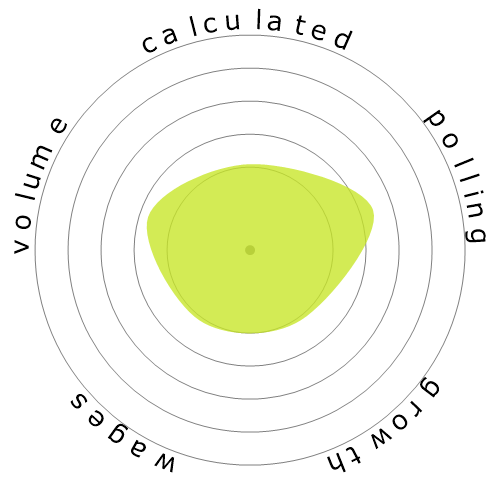
What does this snowflake show?
What's this?
We rate jobs using four factors. These are:
- Chance of being automated
- Job growth
- Wages
- Volume of available positions
These are some key things to think about when job hunting.
Risk & user votes
Calculated automation risk
Moderate Risk (41-60%): This occupation may be meaningfully affected by automation. Some parts of the role may be suitable for AI, software, or robotics, while others still rely on human skill, judgement, trust, or real-world context. People in this range may benefit from building skills that complement automation and reduce replacement risk.
More information on what this score is, and how it is calculated is available here.
Human strengths important in this job
These are human abilities and work contexts that are important in this occupation. They may help explain why parts of the role are harder to replace end-to-end, but they are not the only inputs into the automation score.
Coordinating others’ work
Quite importantWhy this matters
What users think
Based on 28 votes
Our visitors have voted they are unsure if this occupation will be automated. This assessment is further supported by the calculated automation risk level, which estimates 54% chance of automation.
What do you think the risk of automation is?
What is the likelihood that Drywall and Ceiling Tile Installers will be replaced by robots or artificial intelligence within the next 20 years?
View sentiment trend
Pay & outlook
Growth
The number of 'Drywall and Ceiling Tile Installers' job openings is expected to rise 4.2% by 2034
Updated projections are due 09-2025.
Volume
As of 2024 there were 82,900 people employed as 'Drywall and Ceiling Tile Installers' within the United States.
This represents around of the employed workforce across the country
Put another way, around 1 in people are employed as 'Drywall and Ceiling Tile Installers'.
People also viewed
Job description
Apply plasterboard or other wallboard to ceilings or interior walls of buildings. Apply or mount acoustical tiles or blocks, strips, or sheets of shock-absorbing materials to ceilings and walls of buildings to reduce or reflect sound. Materials may be of decorative quality. Includes lathers who fasten wooden, metal, or rockboard lath to walls, ceilings, or partitions of buildings to provide support base for plaster, fireproofing, or acoustical material.
O*NET-SOC code: 47-2081.00
What people are saying (1)
Reply to comment