Computer Network Architects
Explore safer careers (3)
Lower estimated automation risk
Why it fits
Fits senior architects using infrastructure roadmaps, vendors, budgets, implementation oversight, teams, and risk communication.
Why it fits
Applies distributed systems, integrations, reliability, capacity, security requirements, technical standards, and tradeoff analysis.
Why it fits
Applies secure architecture, segmentation, firewalls, access controls, threat modeling, availability, and technical standards.

Occupation snapshot
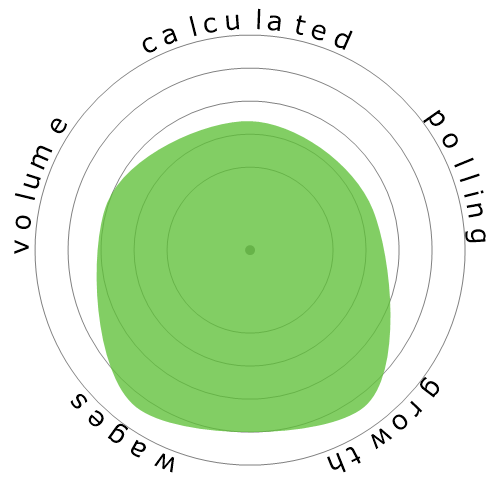
What does this snowflake show?
What's this?
We rate jobs using four factors. These are:
- Chance of being automated
- Job growth
- Wages
- Volume of available positions
These are some key things to think about when job hunting.
Risk & user votes
Calculated automation risk
Low Risk (21-40%): This occupation has a lower risk of full replacement by AI, software, or robotic systems. Some tasks may be automated or assisted, but the role usually still relies on human judgement, communication, responsibility, physical adaptability, or practical decision-making.
More information on what this score is, and how it is calculated is available here.
Human strengths important in this job
These are human abilities and work contexts that are important in this occupation. They may help explain why parts of the role are harder to replace end-to-end, but they are not the only inputs into the automation score.
Critical thinking
Very importantWhy this matters
Thinking creatively
Quite importantWhy this matters
Persuasion
Quite importantWhy this matters
Social perceptiveness
Quite importantWhy this matters
Coordinating others’ work
Quite importantWhy this matters
Show 4 more strengths
Communicating with people outside the organization
Quite importantWhy this matters
Developing objectives and strategies
Quite importantWhy this matters
Active learning
Quite importantWhy this matters
Education and training expertise
Quite importantWhy this matters
What users think
Based on 108 votes
Our visitors have voted there's a low chance this occupation will be automated. This assessment is further supported by the calculated automation risk level, which estimates 23% chance of automation.
What do you think the risk of automation is?
What is the likelihood that Computer Network Architects will be replaced by robots or artificial intelligence within the next 20 years?
Sentiment
Based on user votes over time
View sentiment trend
How opinions have changed over time
Pay & outlook
Wages
In 2024, the median annual wage for Computer Network Architects was ( per hour).
View wage trend
Wages over time
Growth
The number of 'Computer Network Architects' job openings is expected to rise 11.9% by 2034
View employment trend
Total employment, and estimated job openings
Updated projections are due 09-2025.
Volume
As of 2024 there were 177,010 people employed as 'Computer Network Architects' within the United States.
This represents around of the employed workforce across the country
Put another way, around 1 in people are employed as 'Computer Network Architects'.
People also viewed
Job description
Design and implement computer and information networks, such as local area networks (LAN), wide area networks (WAN), intranets, extranets, and other data communications networks. Perform network modeling, analysis, and planning, including analysis of capacity needs for network infrastructures. May also design network and computer security measures. May research and recommend network and data communications hardware and software.
O*NET-SOC code: 15-1241.00
What people are saying (0)
Reply to comment