Computer Numerically Controlled Tool Programmers
Explore safer careers (5)
Lower estimated automation risk
Why it fits
Uses process planning, tooling, CAD/CAM, machine capability, quality, cycle time, and documentation.
Why it fits
Plausible technical path using drawings, testing, prototypes, measurements, troubleshooting, and engineering support.
Why it fits
Advancement path using production flow, setup priorities, training, quality, safety, and schedule coordination.
Why it fits
Applies precision machining, tooling, drawings, tolerances, fixtures, inspection, and problem solving.
Why it fits
Reuses CAD, part geometry, dimensions, tolerances, materials, and translating designs into shop documentation.

Occupation snapshot
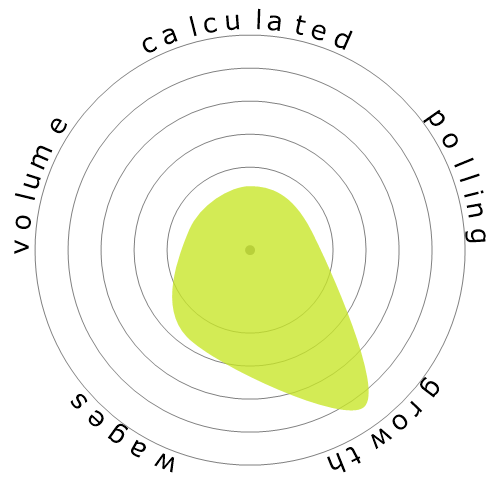
What does this snowflake show?
What's this?
We rate jobs using four factors. These are:
- Chance of being automated
- Job growth
- Wages
- Volume of available positions
These are some key things to think about when job hunting.
Risk & user votes
Calculated automation risk
High Risk (61-80%): This occupation shows a significant risk of end-to-end replacement by automation. Many core parts of the role may be structured, repeatable, software-driven, or physically predictable enough for AI, machines, or robotic systems to take over. If you work in this area, it may be worth exploring safer related careers or moving towards more human-centred responsibilities.
More information on what this score is, and how it is calculated is available here.
Human strengths important in this job
These are human abilities and work contexts that are important in this occupation. They may help explain why parts of the role are harder to replace end-to-end, but they are not the only inputs into the automation score.
Decision-making and problem solving
Very importantWhy this matters
Thinking creatively
Quite importantWhy this matters
Education and training expertise
Quite importantWhy this matters
What users think
Based on 28 votes
Our visitors have voted that it's probable this occupation will be automated. This assessment is further supported by the calculated automation risk level, which estimates 62% chance of automation.
What do you think the risk of automation is?
What is the likelihood that Computer Numerically Controlled Tool Programmers will be replaced by robots or artificial intelligence within the next 20 years?
View sentiment trend
Pay & outlook
Wages
In 2024, the median annual wage for Computer Numerically Controlled Tool Programmers was ( per hour).
View wage trend
Wages over time
Growth
The number of 'Computer Numerically Controlled Tool Programmers' job openings is expected to rise 12.8% by 2034
View employment trend
Total employment, and estimated job openings
Updated projections are due 09-2025.
Volume
As of 2024 there were 28,230 people employed as 'Computer Numerically Controlled Tool Programmers' within the United States.
This represents around of the employed workforce across the country
Put another way, around 1 in people are employed as 'Computer Numerically Controlled Tool Programmers'.
People also viewed
Job description
Develop programs to control machining or processing of materials by automatic machine tools, equipment, or systems. May also set up, operate, or maintain equipment.
O*NET-SOC code: 51-9162.00
What people are saying (1)
Reply to comment